Evidence snapshot
| Brand history claim | JackpotCity says it was founded in 1998. |
|---|---|
| Current operator claim | Baytree Interactive Ltd, Guernsey, in the captured footer. |
| Licence claim | Kahnawake Gaming Commission licence 00892, stated by the operator. |
| Group identity | Super Group lists Jackpot City among its global iGaming brands. |
| Signal | Amber: traceable group and operator claims; NZ licence status remains open. |
What the record shows
JackpotCity's own New Zealand-facing material identifies the brand as part of Super Group and names Baytree Interactive Ltd in its legal footer. Super Group's corporate directory separately includes Jackpot City. These records make the brand and group relationship traceable. They do not establish a New Zealand licence, and the local transition should not be replaced with an offshore licence statement.
Operator and licence wording
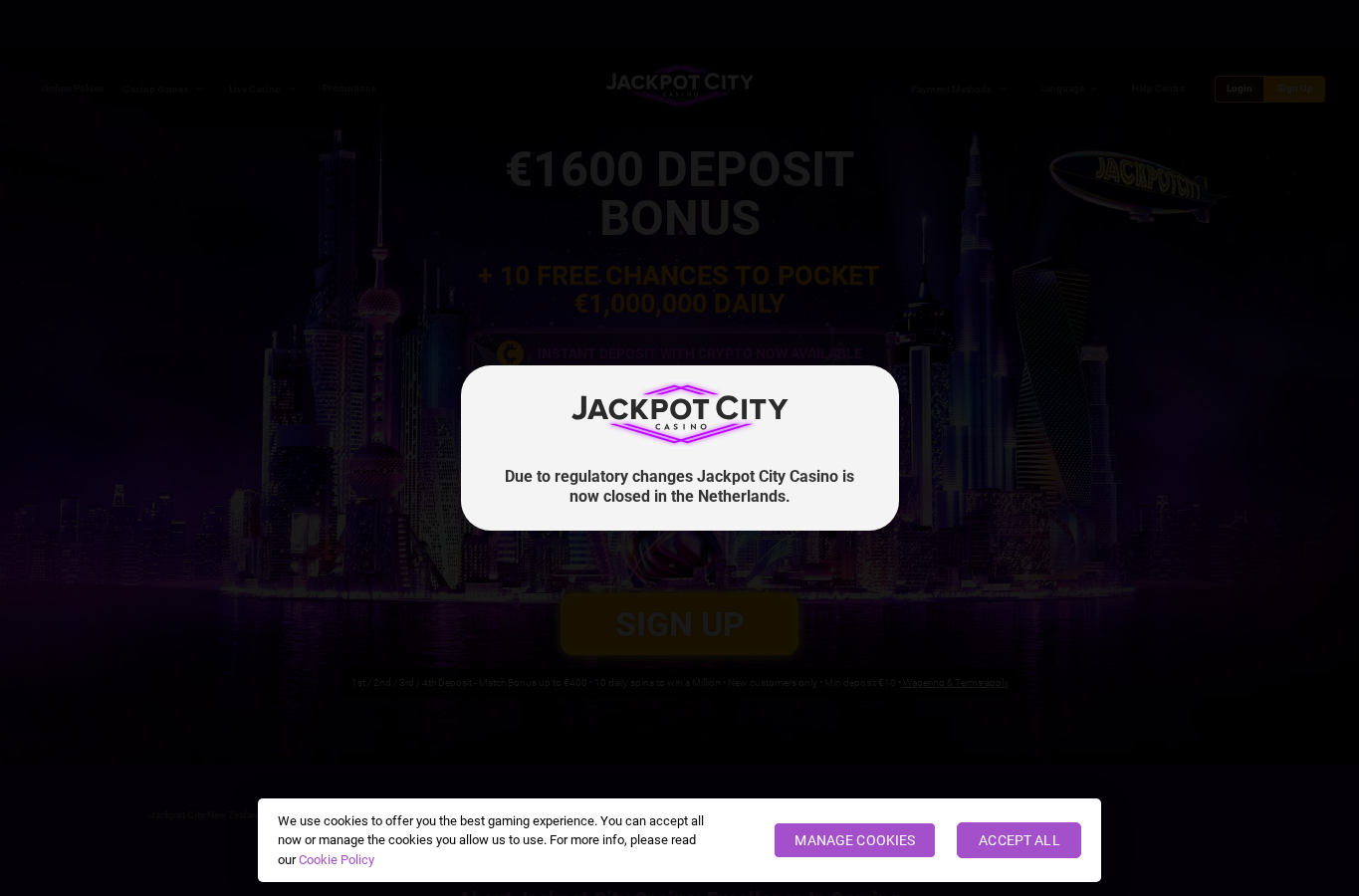
The captured About area names Baytree Interactive Ltd, a Guernsey company, and states a Kahnawake Gaming Commission licence number. Record the wording with its date because contracting entities and licence scope can change. A licence number should be checked against the issuing body's live record where available, including the legal entity and domains covered. It should never be presented as a DIA approval.
Corporate ownership
Super Group calls Jackpot City one of its global iGaming brands. That is a useful second layer because it comes from the listed parent group's own corporate site rather than the casino footer alone. The parent listing still does not answer which subsidiary handles an account, which entity receives funds or where a complaint belongs. The applicable terms and transaction descriptor remain necessary.
The New Zealand status gap
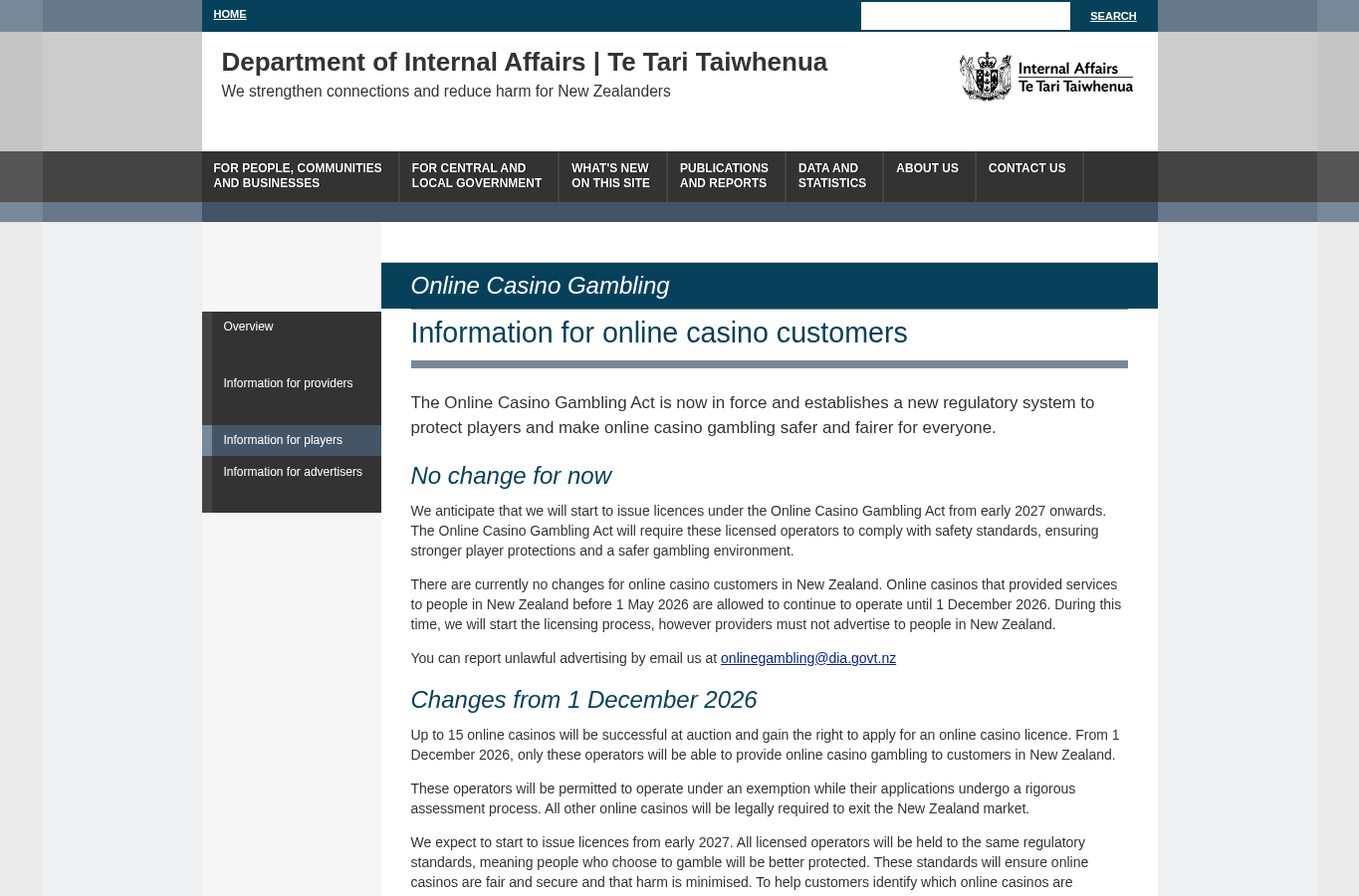
DIA's player guidance explains the 2026 transition and says licences are expected from early 2027. It does not currently publish a populated list matching JackpotCity to an NZ operator licence. A New Zealand-specific URL, NZD support or statements aimed at Kiwi players cannot fill that gap. Local status becomes confirmable only when an official record identifies the entity, brand and authorised host.
Marketing statements versus evidence
JackpotCity describes extensive games, security, support and responsible-gambling tools. These statements describe the operator's position and may help form questions. They are not independent audits. Verify practical details in the account-specific terms: eligible country, currency, withdrawal limits, excluded deposit methods, dormancy rules, KYC stages and the complaint procedure that applies to the named entity.
Withdrawal and verification disputes
A delayed withdrawal is not automatically a scam, but vague or changing explanations deserve documentation. Keep the original withdrawal request, status history, requested documents, promised timelines, bonus terms and all replies. Ask which contractual clause is being applied and whether verification is complete. Never send identity files through an unverified messaging account or pay an extra release charge without confirming it through a known channel.
Reading public complaints
User reports can indicate where readers struggle, particularly around account checks, promotions or withdrawals. Their limitations are significant: reviewers may omit account facts, the operator may not be identifiable, and the outcome may change. Use public complaints to build a checklist, not to invent a failure rate. An adverse label needs stronger corroboration or an official finding tied to the exact operator.
Before opening an account
Check the current terms from the exact host, not a cached search snippet. Record the legal operator, governing terms, account currency, accepted withdrawal route and complaint contact. Decide an affordable entertainment limit before any payment and do not treat a bonus as value until every material condition is understood. If availability or terms appear inconsistent for New Zealand, stop rather than testing the account with a small deposit. A payment creates evidence after the risk has already been taken; verification should come first.
Domain and support verification
Open support from the exact domain recorded in the account terms. Search advertisements, copied apps and direct messages may use the JackpotCity name without belonging to the operator described in the legal footer. Save every redirect and compare the final host before entering a password or identity document. A support agent should be able to identify the contracting company and complaint route without asking for remote access, a one-time code or a separate payment. Pressure to move to a private messaging service is a reason to end the contact and verify independently.
Why the rating is amber
JackpotCity has more identity evidence than an unknown clone: a named operator, a stated overseas licence and a corporate parent listing. The local question remains unanswered, and operator statements about safety or legality are not a substitute for DIA's future register. Amber records both sides. It can move only when stronger primary evidence appears, not because the brand becomes more familiar or receives more anonymous reviews.
Verification matrix
| Check | Action | Evidence position |
|---|---|---|
| Footer entity | Save the legal company, registration number and regulator wording from current terms. | Dated operator evidence |
| Group listing | Use the Super Group brand directory to confirm the corporate relationship. | Independent corporate layer |
| NZ authorisation | Wait for a matching DIA register entry; do not import Kahnawake status into NZ. | Unconfirmed local layer |
| Complaint path | Keep complete KYC, withdrawal and support records before choosing a route. | Case-specific evidence |
Sources used
- JackpotCity: About us and stated legal footerChecked 12 August 2026
- Super Group: Brands: Jackpot CityChecked 12 August 2026
- Department of Internal Affairs: Information for online casino customersChecked 12 August 2026
- New Zealand Legislation: Online Casino Gambling Act 2026Checked 12 August 2026
Operator statements are attributed as claims. DIA and legislation control the New Zealand status question. No anonymous report has been counted as a proven complaint.
Questions readers ask
Who does JackpotCity name in its legal footer?
The captured NZ-facing material names Baytree Interactive Ltd and states a Kahnawake licence. Recheck the current footer and terms for changes.
Is JackpotCity licensed by New Zealand's DIA?
No current DIA licence entry is confirmed here. The public NZ licensed regime is expected to become operational in 2027.
What does the Super Group listing prove?
It supports the corporate brand relationship. It does not prove the account entity, payment recipient or New Zealand authorisation.
Does a delayed withdrawal prove fraud?
No. It requires a dated case record. Changing explanations, unexplained fees or entity mismatches are reasons to preserve evidence and escalate appropriately.
Corrections and evidence updates
Send the exact URL, legal entity, document date and public source through the corrections form. Private account documents should not be uploaded. Material changes are checked against the live source before the signal is revised.
Open the corrections route