Evidence snapshot
| Corporate identity | LeoVegas Group describes itself as a global iGaming operator and names LeoVegas among its brands. |
|---|---|
| Local availability | A working market page or account route can change and is not licence proof. |
| NZ licence status | No current public NZ operator-register match confirmed on the review date. |
| Advertising | Third-party online-casino promotion is within DIA's current prohibition guidance. |
| Signal | Amber: real corporate brand; local licence and product scope remain unconfirmed. |
A real brand does not settle the NZ question
LeoVegas Group publicly describes a substantial mobile iGaming business and gives the brand a traceable corporate home. That is useful when distinguishing a genuine group site from an unrelated clone. New Zealand licensing remains a different layer. DIA's current materials describe the transition and future register rather than a completed list of licensed brands, so no local authorisation should be inferred from international scale, app availability or a familiar name.
Start with the corporate group
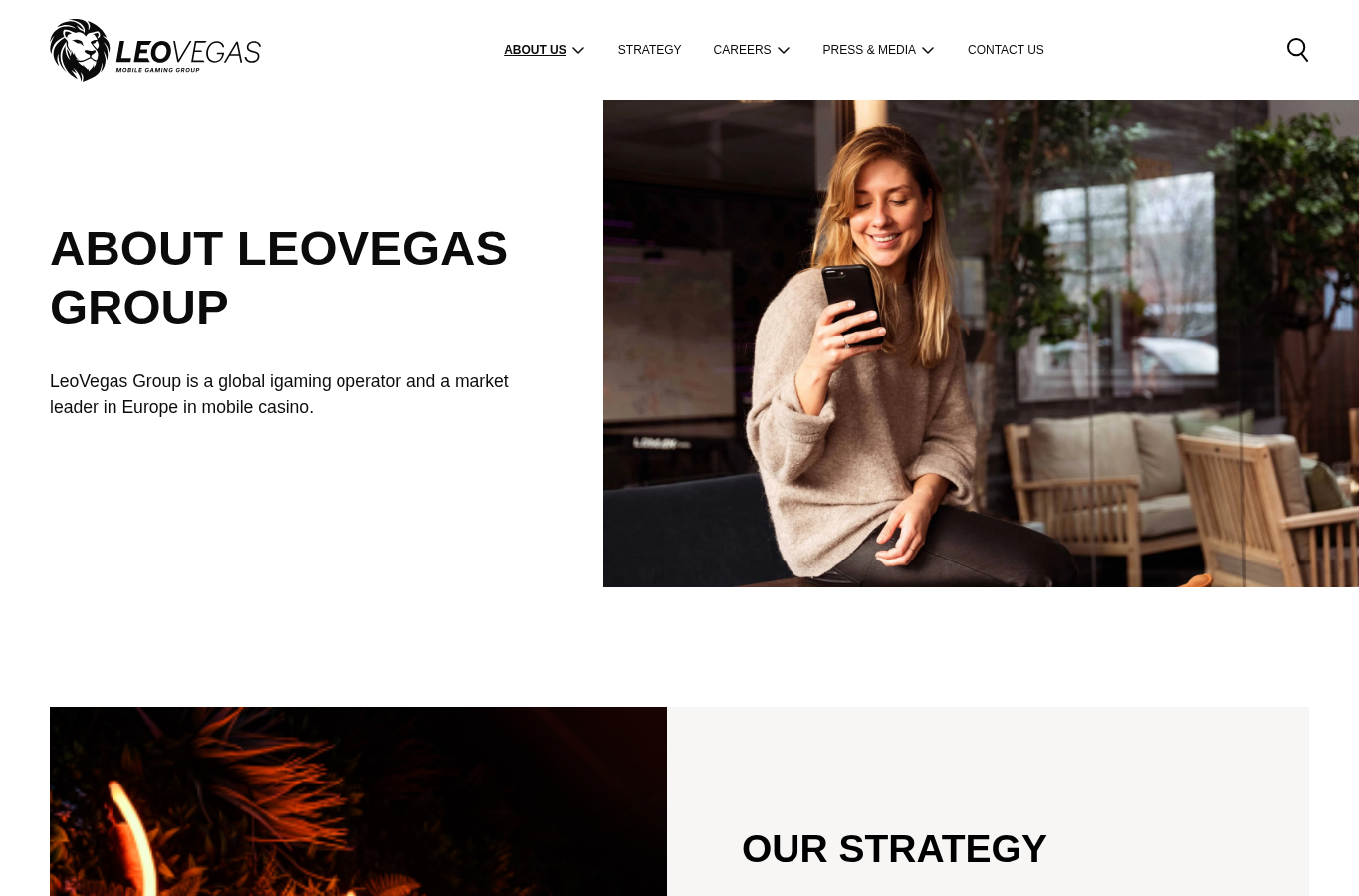
The corporate About material identifies LeoVegas Group as a global iGaming operator, describes owned technology and presents its brands and responsible-gaming programme. Those statements establish who speaks for the group. They do not necessarily identify the legal entity contracting with every customer. A reader should record the company in the applicable terms, its address, named regulator and the exact domain used for registration.
Why market pages can disappear
Regional URLs often redirect, geoblock or return a generic error as product availability changes. A missing page does not prove a shutdown or misconduct, and an accessible page does not prove legal status. Capture the response date, destination URL and any country selector. For the regulatory question, use a public authority record rather than extrapolating from whether a homepage loads.
New Zealand's staged regime
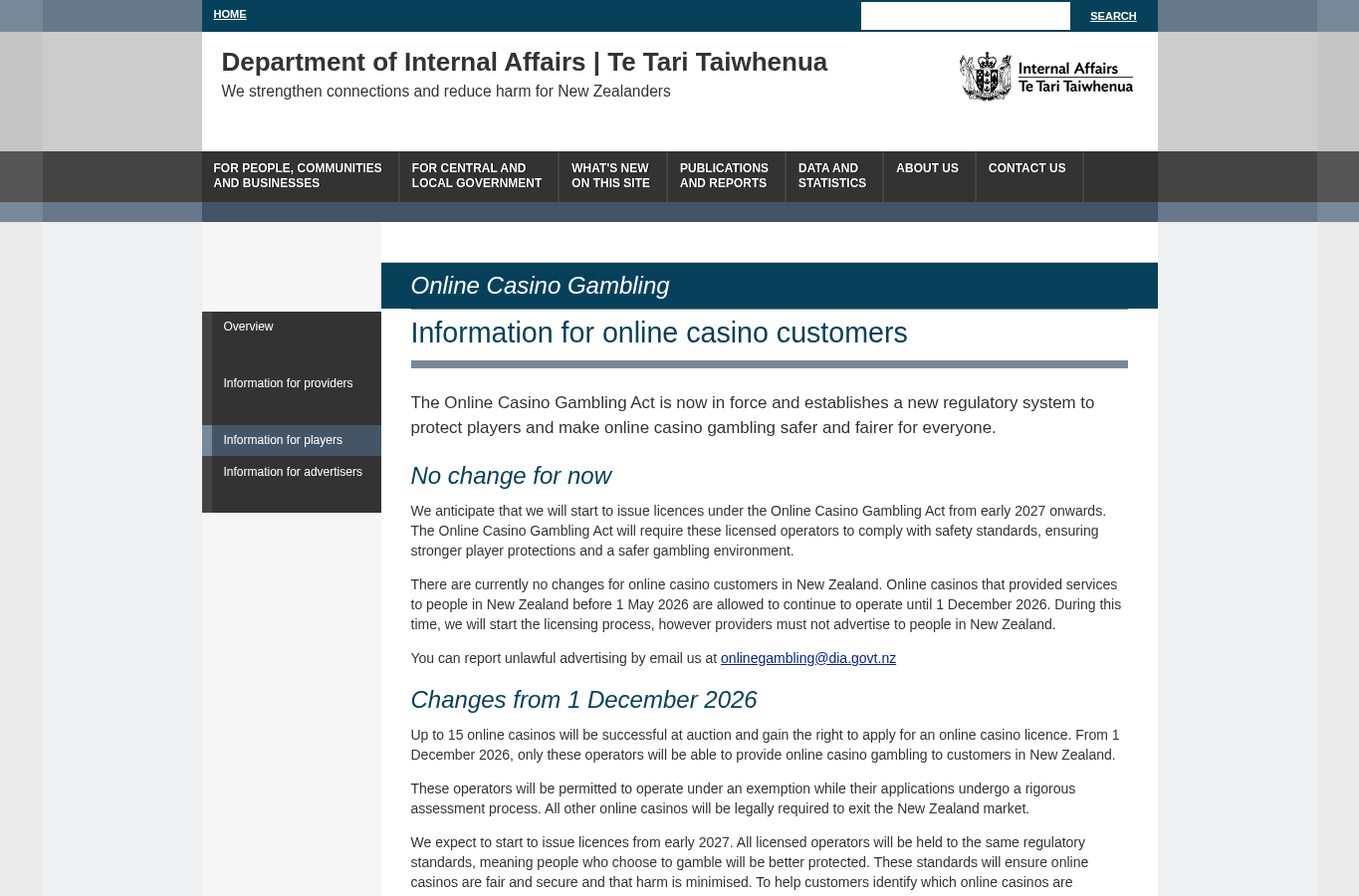
The Online Casino Gambling Act 2026 creates a staged route toward licences expected from early 2027. DIA distinguishes prior providers, later application milestones and restrictions during transition. None of its current guidance authorises outsiders to publish their own list of licencees. The future register should link the legal operator to approved brands and domains; until that happens, 'not confirmed' is the accurate finding.
Advertising and affiliate claims
DIA says online-casino advertising is currently prohibited and expressly discusses third parties involved in publication. That matters when a social account, influencer or comparison listing presents LeoVegas as approved for New Zealand. Preserve the ad creative, account identity, destination and time. A disclaimer cannot turn a promotional link into regulatory evidence, and a copied regulator badge should never be trusted on appearance alone.
Payments need their own check
Corporate identity says little about a particular transaction. Before paying, compare the checkout entity with the terms, note the currency and conversion, save the withdrawal rules and understand KYC timing. If the merchant descriptor differs, request an explanation. If the payment was unauthorised, contact the bank promptly; if it was authorised but disputed, build the contractual chronology instead of describing it as fraud without evidence.
Using player reports responsibly
Trustpilot, Reddit and forums can expose recurring questions such as verification delays, bonus interpretation or support access. They are leads, not adjudicated findings. Record the review date and underlying issue, seek the operator's published process, and look for regulator or court material before making an adverse claim. Anonymous posts should not become invented complaint totals or a red signal.
Account security and impersonation
A genuine corporate brand can still be imitated by an unrelated sender. Verify password resets, KYC requests and payment messages by opening the known domain independently. Compare the sending address, destination host and legal footer before uploading anything. Do not install software, share one-time codes or move a conversation to an informal messaging account. If an account may be compromised, change reused passwords, secure the connected email and notify the relevant financial provider without waiting for a public brand verdict. Keep the suspicious message in its original form because forwarding or cropping can remove headers and destination details needed for investigation.
The evidence threshold for a stronger verdict
A future green assessment would need a current DIA register match for the legal entity, brand and exact domain, plus no material contradiction in the evidence reviewed. A red assessment would require an official adverse record or corroborated case evidence, not a broken URL or isolated post. The present amber signal reflects a well-established corporate brand alongside an unresolved New Zealand licence question.
Verification matrix
| Check | Action | Evidence position |
|---|---|---|
| Brand owner | Use LeoVegas Group material to establish the corporate brand relationship. | Corporate evidence |
| Contracting entity | Read the entity in terms presented to the account, not a generic group description. | Account-specific |
| Market status | Check DIA's register when populated for entity, brand and exact domain. | Future primary record |
| Communication | Verify sender and hostname independently before following KYC or payment requests. | Fraud control |
Sources used
- LeoVegas Group: About LeoVegas GroupChecked 12 August 2026
- Department of Internal Affairs: Information for online casino customersChecked 12 August 2026
- Department of Internal Affairs: Information for advertisersChecked 12 August 2026
- New Zealand Legislation: Online Casino Gambling Act 2026Checked 12 August 2026
Operator statements are attributed as claims. DIA and legislation control the New Zealand status question. No anonymous report has been counted as a proven complaint.
Questions readers ask
Is LeoVegas a real company and brand?
Yes. LeoVegas Group publicly identifies its iGaming business and brand portfolio. Corporate identity is separate from New Zealand licensing status.
Does an accessible LeoVegas page prove it is licensed in NZ?
No. Access, a country label or an app listing is not a regulator entry. Check DIA's future register for the exact entity and domain.
Why is the signal amber rather than red?
No official adverse NZ finding is cited, while the brand has clear corporate identity. The unresolved local licence evidence prevents a green assessment.
Can forum reviews decide whether LeoVegas is legitimate?
No. They can identify issues to investigate, but a finding needs account records, operator context and authoritative evidence.
Corrections and evidence updates
Send the exact URL, legal entity, document date and public source through the corrections form. Private account documents should not be uploaded. Material changes are checked against the live source before the signal is revised.
Open the corrections route